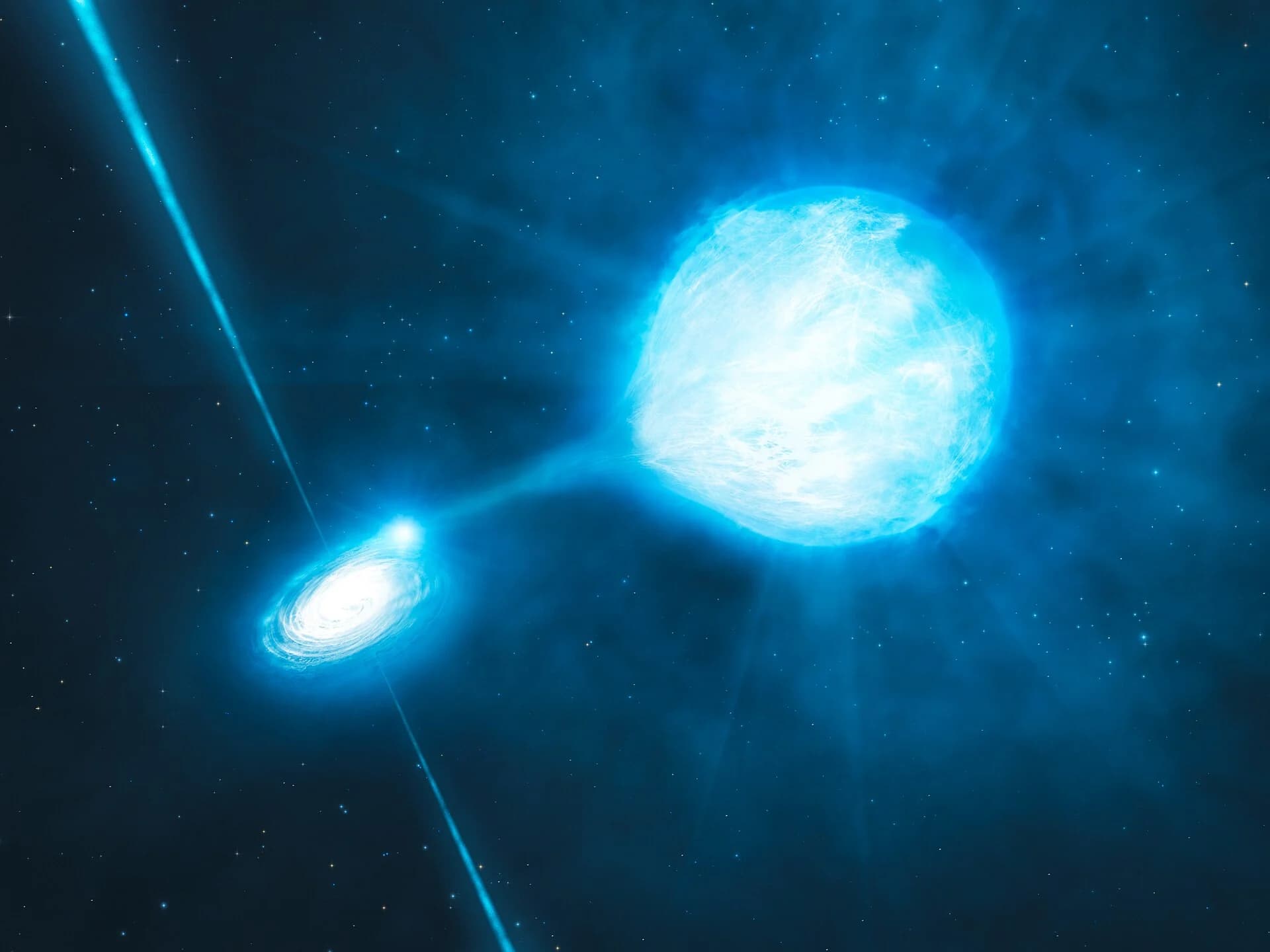
Astrofizikçiler, süper massive siyah deliklerin yakınından geçen yıldızların kısmi tidal bozulma (rpTDE) olaylarında gözlemlenen parlaklıkların zamanla zayıflamasının bir nedenini öne sürdü. Çalışma, Syracuse Üniversitesi’nde Ananya Bandopadhyay’nin liderliğinde yapıldı ve Astrophysical Journal’da yayınlandı.
Earlier models thought less debris would dim the flare, but simulations showed brightness stayed constant because each passage spun the star up, shortening the fallback time. If star is rotating rapidly before first encounter, this spin‑up effect is weak, so the fallback timescale stays similar while less material is stripped, causing peak accretion rate to drop and flare to fade.
To explain the star’s initial rapid spin, researchers invoke the Hills mechanism, where a close binary is torn apart by the black hole, leaving one star on a tight orbit with the binary’s tidal lock, which could also relate to stars near Sagittarius A*. Direct proof of original binary’s existence, however, is still lacking.