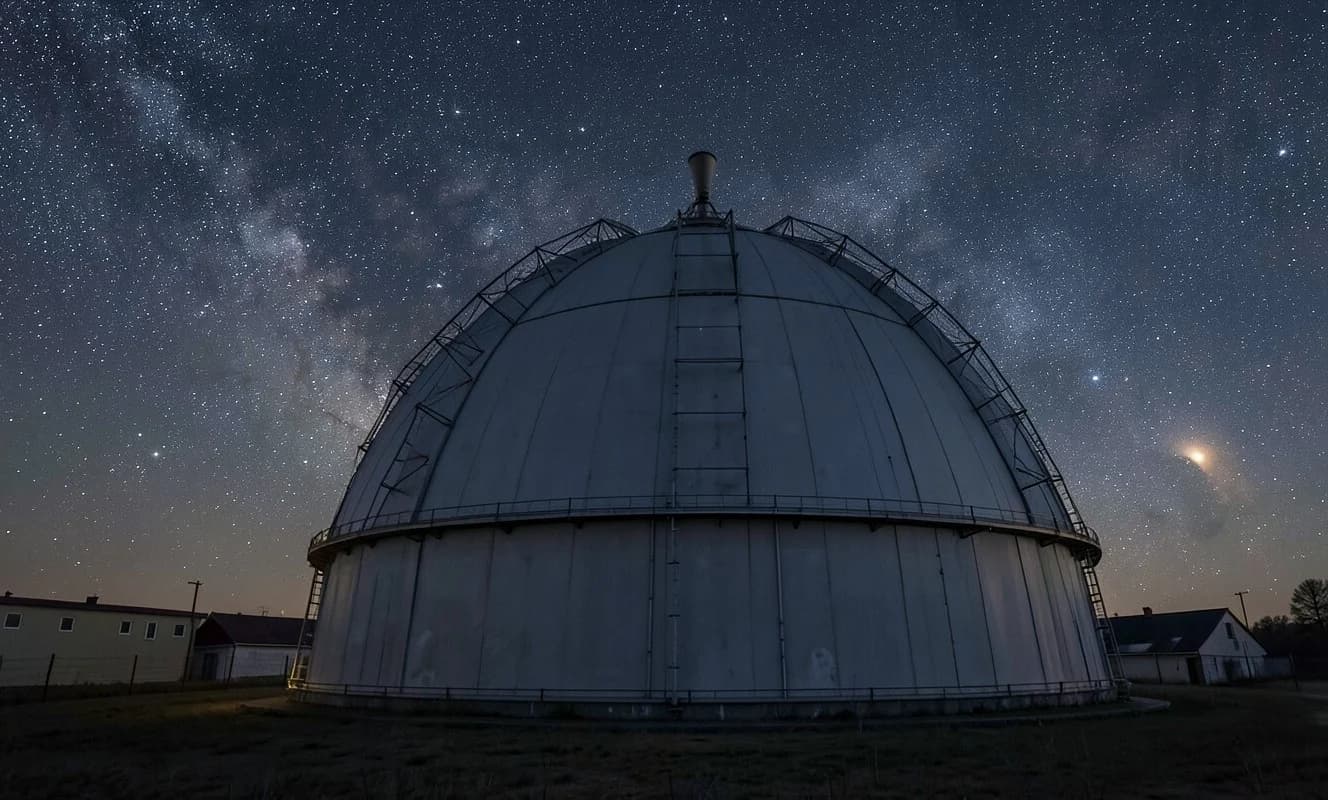
Evann Kurzawa-Ferrandez and his team from NASA's Jet Propulsion Laboratory simulated that ELT's ANDES spectrograph could detect biosignatures on 18 potentially habitable planets. Researchers plan to use the ANDES spectrograph to detect biosignatures such as carbon dioxide, water vapor, methane, and oxygen in the atmospheres of planets. However, oxygen was identified as the most difficult biosignature to detect, making a definitive detection difficult for most planets within 100 transit limits.
Simulations showed that ANDES's detection of water molecules is the easiest. For example, in the planets of the TRAPPIST-1 system, 10 to 19 transits are required to statistically prove the presence of water. However, four times more transits are needed for oxygen detection. Researchers acknowledge that they did not consider clouds, haze, star flares, and sunspots in the simulations.
ELT's ANDES spectrograph is also equipped with an integral field unit (IFU) mode supported by adaptive optics. This mode is designed for diffraction-limited observations and high-contrast/reflected light applications. ELT's designers are also taking on the task of combining transit data with reflected light data.